A cellular intervention is not an isolated medical event. For people considering an emerging treatment for a neurological disorder, what happens before and after the procedure can be just as important as the intervention itself. Careful monitoring creates a reference point, identifies individual needs, and provides a structured way to evaluate changes over time.
This is particularly relevant to Parkinson’s Disease, where symptoms can fluctuate considerably and may involve movement, speech, sleep, mood, and other neurological functions. Clinical monitoring can help separate short-term variation from meaningful changes and provide a clearer picture of an individual’s condition.
Why Assessment Begins Before Treatment
Establishing an Individual Baseline
Before cellular treatment is considered, clinicians need to understand the patient’s starting point. Parkinsonian symptoms can vary from one day to another and may also change depending on medication timing, fatigue, stress, and physical activity.
A baseline assessment can include neurological examination, movement evaluation, medication history, functional abilities, and relevant cognitive or behavioral observations. Depending on the patient’s circumstances, additional investigations may also be appropriate.
For people researching cellular medicine, stemplus.clinic represents a Bulgarian clinical setting where regenerative medicine is considered alongside individualized medical assessment. The broader principle is important: the cellular intervention should be interpreted in the context of the person’s existing neurological condition rather than treated as a standalone event.
Defining What Should Be Monitored
Not every patient needs exactly the same measurements. Someone whose main difficulty is gait instability may require different functional observations from a person primarily experiencing tremor or medication-related fluctuations.
Establishing specific areas of interest before treatment makes later follow-up more informative. It also prevents vague impressions from becoming the only measure of whether anything has changed.
What Clinical Monitoring May Include
Movement and Motor Function
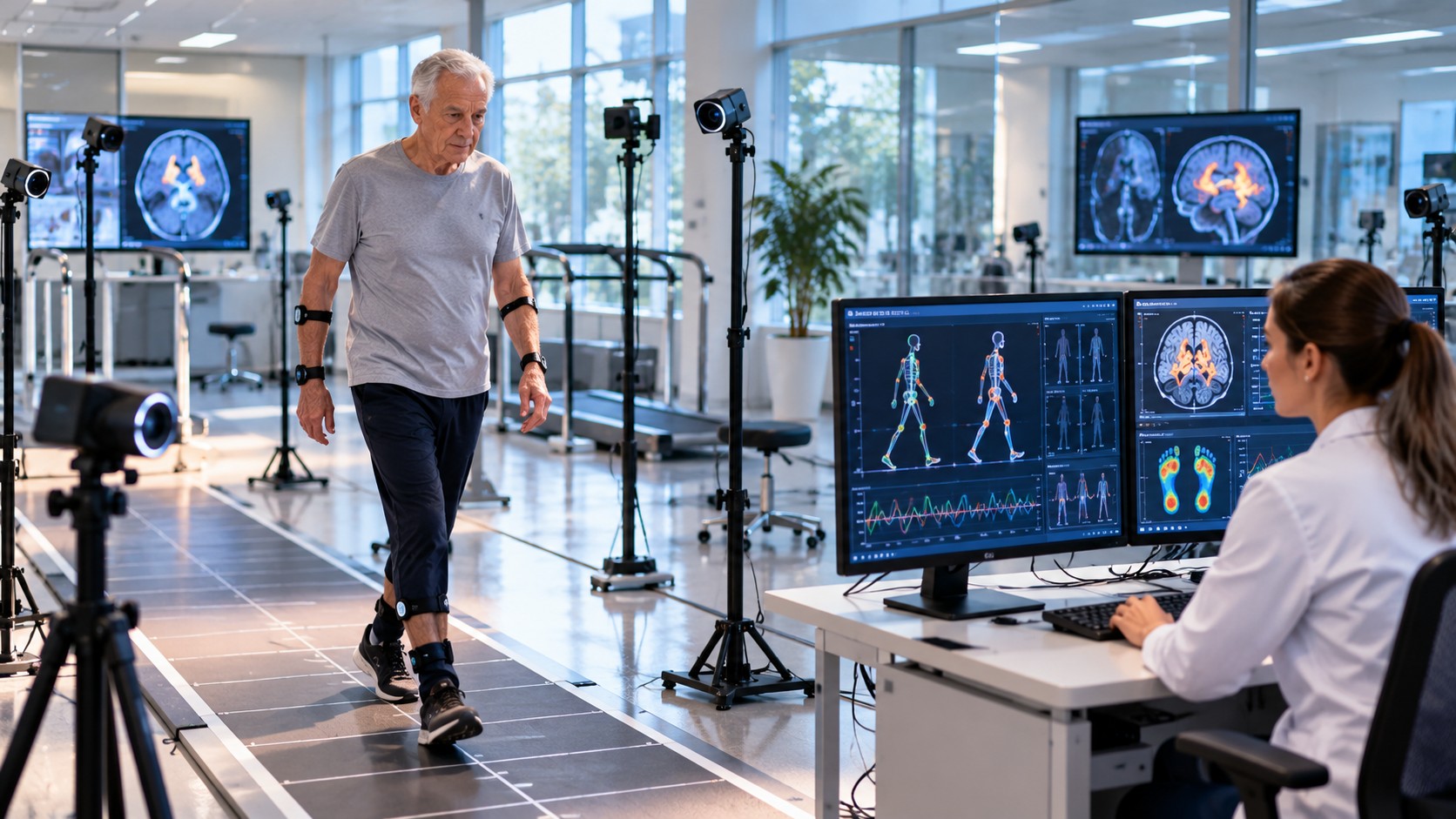
Parkinson’s Disease is commonly associated with motor symptoms such as tremor, rigidity, bradykinesia, and difficulties with balance or gait. Clinicians may track these features through neurological examination and standardized assessments.
Functional tasks can also provide useful information. Walking speed, turning, hand movements, posture, and the ability to perform everyday activities may reveal changes that are not obvious from a general conversation.
Non-Motor Symptoms Matter Too
Parkinson’s extends beyond movement. Sleep disturbances, constipation, fatigue, depression, anxiety, speech changes, and cognitive difficulties can significantly affect quality of life.
A complete monitoring strategy therefore should not focus exclusively on tremor. Recording relevant non-motor symptoms can provide a more accurate representation of how the condition is affecting the individual.
Observing the Period After Cellular Treatment
Early Follow-Up Is About Safety as Well as Change
After an intervention, clinical follow-up can help identify unexpected symptoms, monitor recovery, and assess whether additional medical attention is needed.
The timing and type of follow-up depend on the intervention, the patient’s condition, and the treating team’s protocol. Some assessments may be performed relatively soon after treatment, while others become more meaningful over a longer period.
It is important not to interpret every short-term fluctuation as evidence of either success or failure. Recovery, medication changes, expectations, fatigue, and ordinary symptom variability can all influence how a patient feels.
Longer-Term Observation Provides Context
Neurological conditions require longitudinal assessment. A single appointment may offer only a snapshot, whereas repeated evaluations can reveal patterns.
For Parkinson’s Disease cell therapy, longer-term monitoring may involve repeated neurological examinations, functional assessments, symptom diaries, medication reviews, and patient or caregiver observations. The precise combination depends on the clinical situation.
Medication and Rehabilitation Should Not Be Ignored
Tracking Medication Effects
Parkinson’s symptoms can be strongly influenced by medication schedules. A patient may experience differences between “on” and “off” periods, making the timing of assessments particularly relevant.
Recording medication use alongside symptoms can help clinicians interpret apparent changes more accurately. Otherwise, an improvement or deterioration could be incorrectly attributed to another factor.
Functional Recovery Is Broader Than a Test Score
Physical therapy, occupational therapy, speech support, and other rehabilitation measures may remain relevant after cellular treatment. These approaches can help patients work on mobility, balance, communication, and everyday function.
Clinical monitoring can incorporate information from rehabilitation because real-world performance is an important part of understanding neurological health.
What Patients Can Ask Before Starting
A useful consultation should clarify what will be measured and why. Patients may want to ask:
- Which symptoms will be assessed before treatment?
- How will motor and non-motor changes be documented?
- When will follow-up evaluations take place?
- How will medication changes be accounted for?
- Which findings would require additional medical assessment?
- How will longer-term progress be evaluated?
These questions help transform follow-up from an informal check-in into a structured clinical process.
Keeping Expectations Grounded in Measurement
Monitoring cannot predict the outcome of an emerging cellular intervention, nor can it guarantee improvement. Its value lies elsewhere: it creates objective reference points and helps clinicians and patients understand what is happening over time.
For anyone exploring Parkinson’s Disease cell therapy, careful assessment before and after treatment provides an essential framework for interpreting the experience. Rather than relying solely on impressions, a structured monitoring process brings together neurological findings, functional abilities, medication effects, and everyday observations.
That broader view is especially important as cellular approaches continue to develop. The more carefully change is documented, the easier it becomes to distinguish genuine clinical developments from the natural fluctuations that accompany a complex neurological condition.